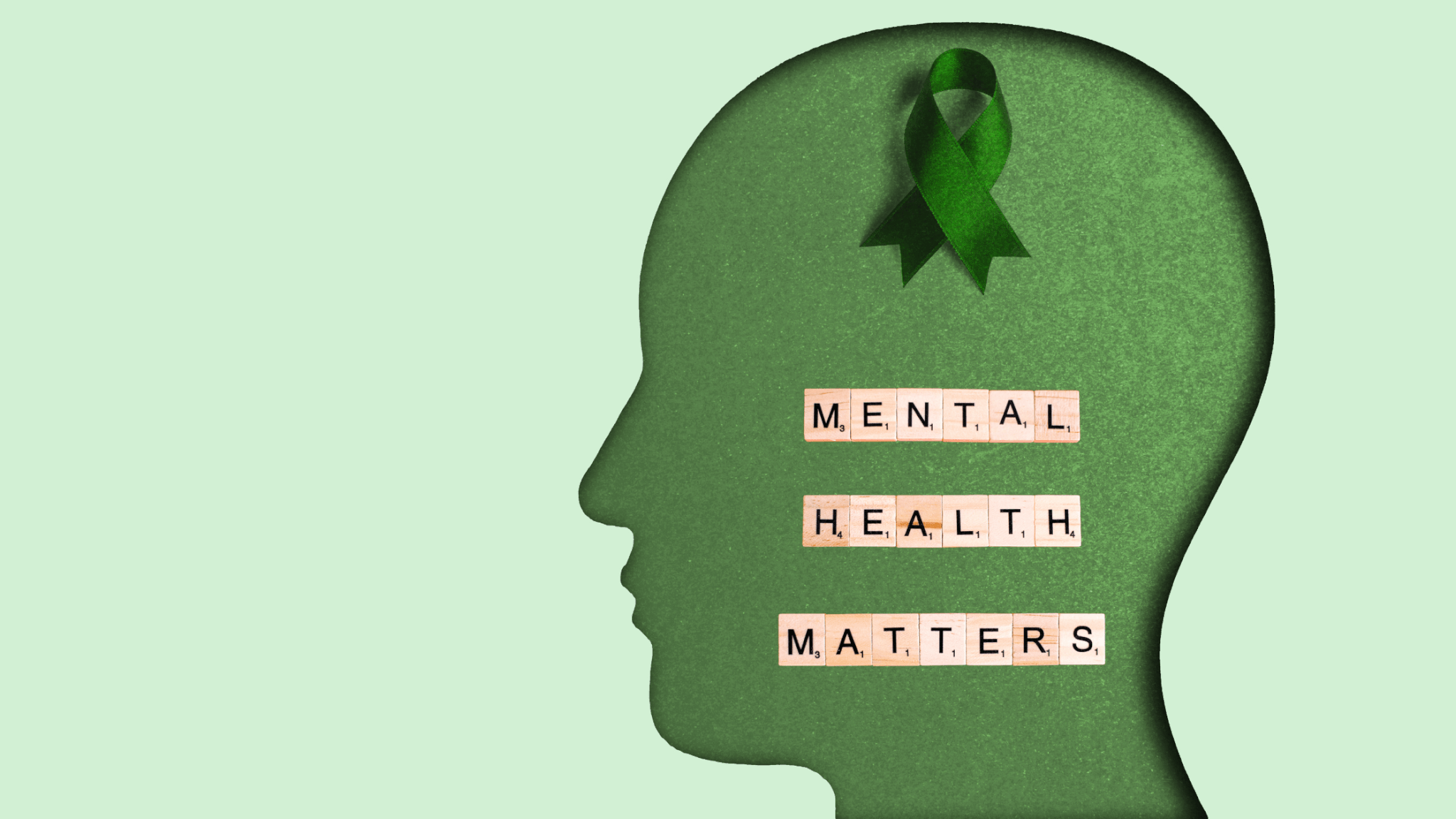
World Suicide Prevention Day 2026
Connection in a Connected World
Every year, World Suicide Prevention Day encourages us to start conversations, check in on people we care about, learn the warning signs, and raise awareness of the support available to those who may be struggling. These messages matter. They save lives, reduce stigma, and create opportunities for people to seek help when they need it. The current World Suicide Prevention Day campaign calls on us to change the narrative on suicide by fostering openness, empathy and meaningful conversations.
At Focus, however, we find ourselves returning to something even more fundamental.
Human connection.
Our vision is simple: a world inspired by human connection. It is a statement that sits at the heart of our work, but it is also a belief about what it means to be human. We are relational beings. We develop through relationships, make sense of ourselves through relationships, and often heal through relationships. Whether we recognise it or not, the quality of our connection with others has a profound influence on our wellbeing.
This may seem self-evident, yet it is striking how often modern life appears to pull us in the opposite direction. We live in an age of unprecedented connectivity. We can communicate instantly with people across the world, maintain vast professional networks, and remain in almost constant contact through digital technology. By many measures, we have never been more connected.
And yet many people continue to experience a profound sense of loneliness.
Not necessarily because they are physically alone. In fact, some of the loneliest people are surrounded by others every day. They have colleagues, family members, neighbours, friends, customers, contacts and communities. What they often describe is something different. They speak of feeling unseen, unknown, misunderstood, or disconnected from those around them. They describe a sense that nobody truly understands what they are carrying.
The Experience of Isolation
The psychiatrist and existential psychotherapist Irvin Yalom spent much of his career exploring what he called existential isolation. He argued that, at some level, every human being experiences a degree of separateness. No matter how close we become to another person, there are aspects of our experience that remain uniquely our own. No one else can fully inhabit our fears, our memories, our regrets, or our pain.
At first glance, this may sound like a pessimistic view of human nature. Yet Yalom’s work is ultimately hopeful. He believed that while we can never completely eliminate our separateness, we can reach towards one another through authentic relationships. We can lessen the burden of isolation through genuine human contact. We can help one another feel less alone in our struggles, even if we can never fully share them.
One of Yalom’s enduring insights was that the challenge is not to eradicate isolation entirely, but to find meaningful ways of responding to it. Human beings do not thrive because they become completely independent or self-sufficient. They thrive because they remain connected. They discover people who can sit alongside them in times of uncertainty, grief, fear and despair. The pain may not disappear, but it becomes more bearable when it is no longer carried alone.
This distinction feels important when discussing suicide prevention. We often imagine that the people most at risk are those who are visibly isolated. Yet many people who struggle are hidden in plain sight. They continue to go to work, fulfil responsibilities, look after families, maintain friendships and carry on with the routines of daily life. What they may lack is not contact, but connection. Not conversation, but the sense of being truly known by another person.
Meeting One Another as Human Beings
This idea echoes the work of the philosopher Martin Buber, whose writing on human relationships continues to influence psychotherapy today. Buber distinguished between what he called I-It and I-Thou relationships. Much of life, he argued, involves relating to people through their roles and functions. We interact with managers, employees, customers, suppliers, strangers and professionals. These interactions are necessary and often valuable, but they can remain transactional in nature.
An I-Thou encounter is different. It occurs when one human being meets another in their full humanity. It is a moment of genuine presence. A moment in which another person is not viewed as a problem to solve, a task to complete, or a role to fulfil, but simply as a fellow human being worthy of attention, dignity and understanding.
There is something deeply relevant about this idea in a world that often prioritises efficiency over presence. We are encouraged to move quickly from one task to another, from one meeting to the next, from one conversation to another. Yet meaningful connection rarely emerges from efficiency. It emerges from attention. It requires the willingness to slow down long enough to encounter another person as they truly are.
When people describe life-changing conversations, they rarely speak about clever advice or perfect solutions. More often, they recall somebody who listened. Somebody who stayed. Somebody who made them feel that their struggles could be spoken aloud without fear of judgement. In many respects, this is what Buber was describing. Not an exchange of information, but an encounter between two human beings.
More Than a Conversation
The importance of relationship sits at the very heart of modern psychotherapy. Carl Rogers, one of the founders of person-centred therapy, believed that meaningful change occurs when people experience empathy, acceptance and genuine understanding. He did not view relationship as a vehicle for delivering therapy. In many respects, he viewed the relationship itself as therapeutic.
This perspective challenges a common assumption about helping. When somebody is struggling, our instinct is often to offer advice, solutions or reassurance. We want to make things better. We want to reduce discomfort, restore hope and solve the problem in front of us.
Yet many people do not need solutions first.
They need understanding.
Before people can make sense of their experiences, they often need the opportunity to speak openly about them. Before they can move forward, they need to feel safe enough to stop hiding. Before they can accept support, they need to trust that they will not be judged for asking for it.
This may help explain why some of the most significant moments in therapy can appear remarkably ordinary from the outside. They are not always dramatic breakthroughs or sophisticated interventions. Sometimes they are moments when a person experiences something they may not have felt for a very long time: the sense of being genuinely heard.
The implications extend far beyond the therapy room. In our families, workplaces and communities, we often focus on communication. Yet communication and connection are not always the same thing. A person can be surrounded by conversation and still feel profoundly alone. Equally, a single authentic encounter can leave somebody feeling seen, understood and valued in a way that changes their experience of the world.
Why This Matters for Suicide Prevention
Much of the public conversation around suicide quite rightly focuses on recognising risk, improving access to support, and responding effectively when somebody is in crisis. These are vital priorities. No article about connection should ever minimise the importance of professional care, evidence-based treatment, crisis services or specialist intervention.
Yet there is a danger that, in our understandable focus on crisis, we overlook what often sits beneath it.
Human beings need connection.
They need belonging.
They need relationships that allow them to bring their full selves into the world rather than only the parts that appear strong, capable or successful.
This feels particularly relevant in workplaces. Organisations are investing more heavily than ever in wellbeing initiatives, mental health awareness and employee support. These developments should be welcomed. They represent genuine progress. Yet meaningful wellbeing is created not only through services and policies but through culture. It emerges in environments where people feel they belong, where vulnerability is not mistaken for weakness, and where asking for help does not come at the cost of dignity.
Of course, it would be simplistic to suggest that loneliness or disconnection alone explain suicide. Suicide is complex. Every individual story is different, and no single theory can adequately account for the range of factors that contribute to suicidal distress. However, it is difficult to ignore how often themes of isolation, hopelessness, shame and disconnection appear within those stories.
Perhaps that is why connection matters so much.
Not because it offers easy answers to complex problems, but because it provides something that many people desperately need: the experience of not facing life’s difficulties entirely alone.
Being Known
At its heart, this article is not really about suicide.
It is about belonging.
It is about the deeply human desire to be seen behind the roles we perform and the masks we wear. It is about being valued not simply for our achievements, productivity or resilience, but for who we are underneath them.
The title of this article is The Human Need to Be Known because we believe there is something profoundly important in that idea. Most of us do not simply want to be noticed. We want to be understood. We want the freedom to speak honestly about our fears, doubts, struggles and vulnerabilities without feeling that we are somehow diminished by doing so.
That is why human connection matters.
Not because every conversation prevents a crisis.
Not because relationship provides a simple solution to a complex issue.
But because connection reminds us of something that despair often obscures: that we matter, that we belong, and that our struggles do not have to be carried in complete isolation.
This World Suicide Prevention Day, perhaps the most important question is not whether we have the perfect words.
Perhaps it is whether we are willing to be genuinely present with one another.
Because while none of us can completely enter another person’s experience, we can choose to listen more deeply, care more intentionally, and create relationships built on authenticity rather than performance.
And in a world where many people feel unseen, the opportunity to be truly known may be one of the most powerful forms of connection we can offer.
If you or someone you know is struggling, support is available. Samaritans can be contacted free, 24 hours a day, on 116 123 or via www.samaritans.org.