By Paige Daniel (HEY Wellbeing Collective) and Phil Hindle (The Focus Group)
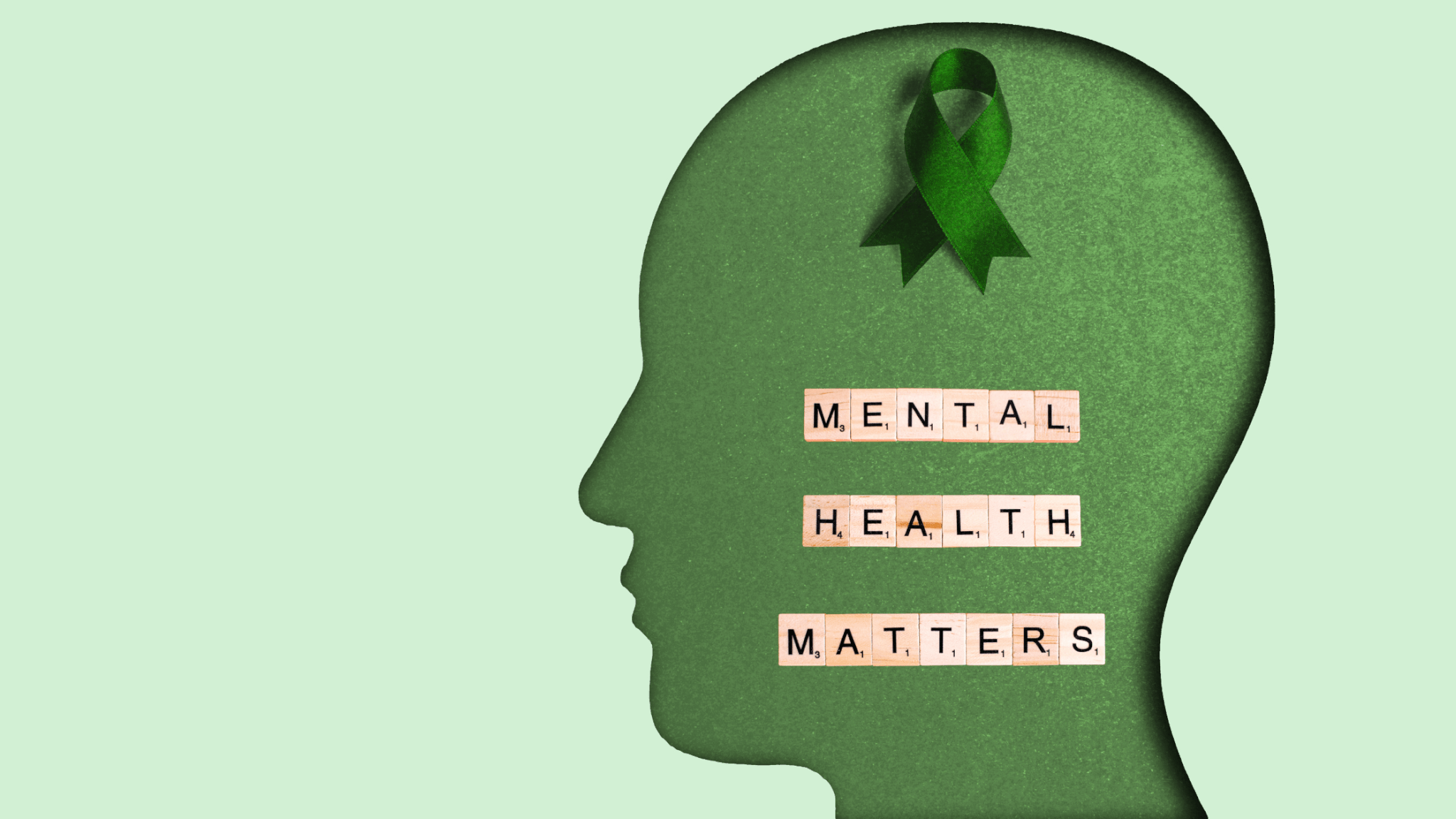
May marks Mental Health Awareness Week, a valuable moment to pause and reflect on how we care for our minds, emotions, and overall wellbeing. While mental health is often framed as something internal, it is shaped by a dynamic interplay of physical, emotional, social, and environmental factors.
At The HEY Wellbeing Collective, in collaboration with The Focus Group, we are exploring a holistic approach to wellbeing. This approach recognises personal health alongside the unique pressures faced by business owners, leaders, and entrepreneurs.
“Mental health isn’t just about what’s happening in your mind. It’s shaped by how you live, move, connect, and care for yourself every day.” Paige Daniel, HEY Wellbeing Collective
“For business owners, mental health is often the invisible backbone of performance. When it’s neglected, everything else eventually feels it. Decision making, relationships, and resilience all suffer.” Phil Hindle, The Focus Group
Physical Wellbeing: Managing Energy, Not Just Time
The connection between body and mind is well established. Movement, nutrition, and rest are foundational to mental wellbeing, not optional extras.
For business owners, physical wellbeing often slips behind productivity. Long hours, sedentary routines, and sustained pressure can create a disconnect from the body. Yet it is often during these periods that physical wellbeing matters most.
Simple shifts such as walking between meetings, scheduling time for exercise, or protecting sleep can significantly improve mood, energy, and mental clarity.
Mental and Emotional Wellbeing: Creating Space to Think Clearly
Therapy, coaching, and reflective practices offer structured ways to process thoughts and emotions. This is especially valuable for those in leadership roles.
Entrepreneurs and senior leaders often carry significant responsibility while having limited space to speak openly. Over time, this can lead to decision fatigue, emotional suppression, and burnout.
Working with a therapist or coach creates a confidential environment to explore challenges, build coping strategies, and gain clarity. Practices such as journaling, mindfulness, and breathwork can also support emotional regulation.
“Clarity doesn’t come from pushing harder. It comes from creating space to think, reflect, and reset.” Phil Hindle
Social Wellbeing: Combating Isolation in Leadership
Connection is essential to mental health, but leadership can feel isolating.
Business owners are often surrounded by people, yet may lack genuine peer support. The pressure to appear composed or decisive can create distance and reinforce loneliness.
Building intentional networks through peer groups, professional communities, or informal connections can reduce isolation and provide a sense of shared experience.
“Connection reminds us we’re not alone. That can be incredibly powerful when things feel overwhelming.” Paige Daniel
Creative and Spiritual Wellbeing: Reconnecting with Meaning
Creative expression provides an outlet for processing emotions and reconnecting with identity beyond work. Activities such as writing, music, or art can offer perspective and relieve mental overload.
Spiritual wellbeing, whether through mindfulness, time in nature, or quiet reflection, helps create a sense of calm and purpose.
For business owners, these practices provide balance, helping counter constant output with moments of presence and meaning.
Everyday Wellbeing: The Small Habits That Sustain Us
Wellbeing does not require major lifestyle shifts. Small, consistent actions often make the greatest difference.
Taking breaks, setting boundaries, managing workload expectations, and creating moments of stillness all support mental health. For leaders, modelling these behaviours helps shape healthier workplace cultures.
“The most sustainable wellbeing strategies are the ones you can return to on your busiest days, not just your quietest ones.” Phil Hindle
A Holistic Approach to Mental Health at Work and Beyond
Mental health is rarely improved by a single intervention. It is the combination of physical care, emotional support, meaningful connection, and everyday habits that builds resilience over time.
For business owners and entrepreneurs, taking a holistic approach is not just about personal wellbeing. It supports stronger leadership, clearer decision making, and long-term impact.
This Mental Health Awareness Week, The HEY Wellbeing Collective and The Focus Group encourage individuals and organisations to explore what supports their wellbeing.
Whether it is speaking to a therapist, stepping outside for a walk, connecting with others, or simply pausing to check in with yourself, every small step matters.
Because when individuals and leaders feel well, businesses and communities are stronger for it.